Created and/or collabored on 13 conferences focused exclusively on exoskeleton and wearable robotics technology.
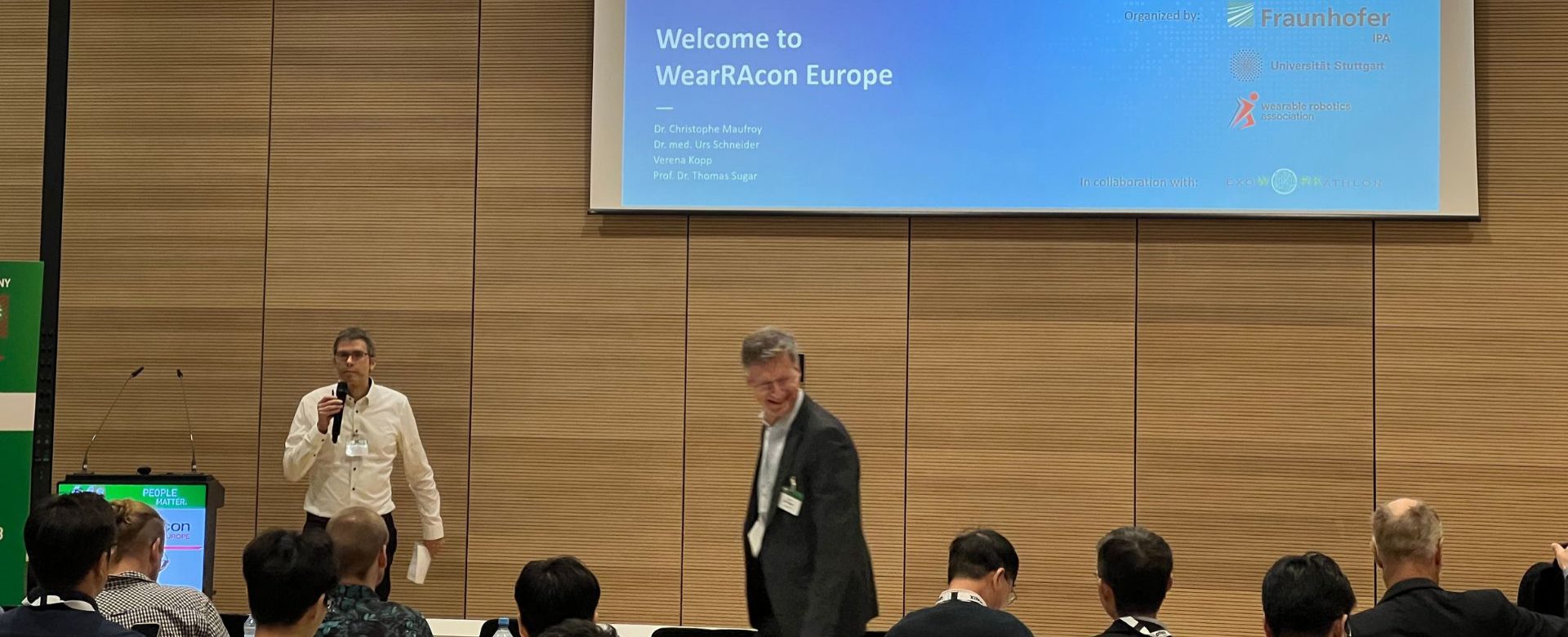
November 5-6 | Düsseldorf, Germany
We are dedicated to the entrepreneurs, businesses, and academics fueling the wearable robotics industry. The Wearable Robotics Association (WearRA) is the only professional association dedicated to the entrepreneurs, businesses, and academics fueling the wearable robotics industry. WearRA provides a forum …
Read More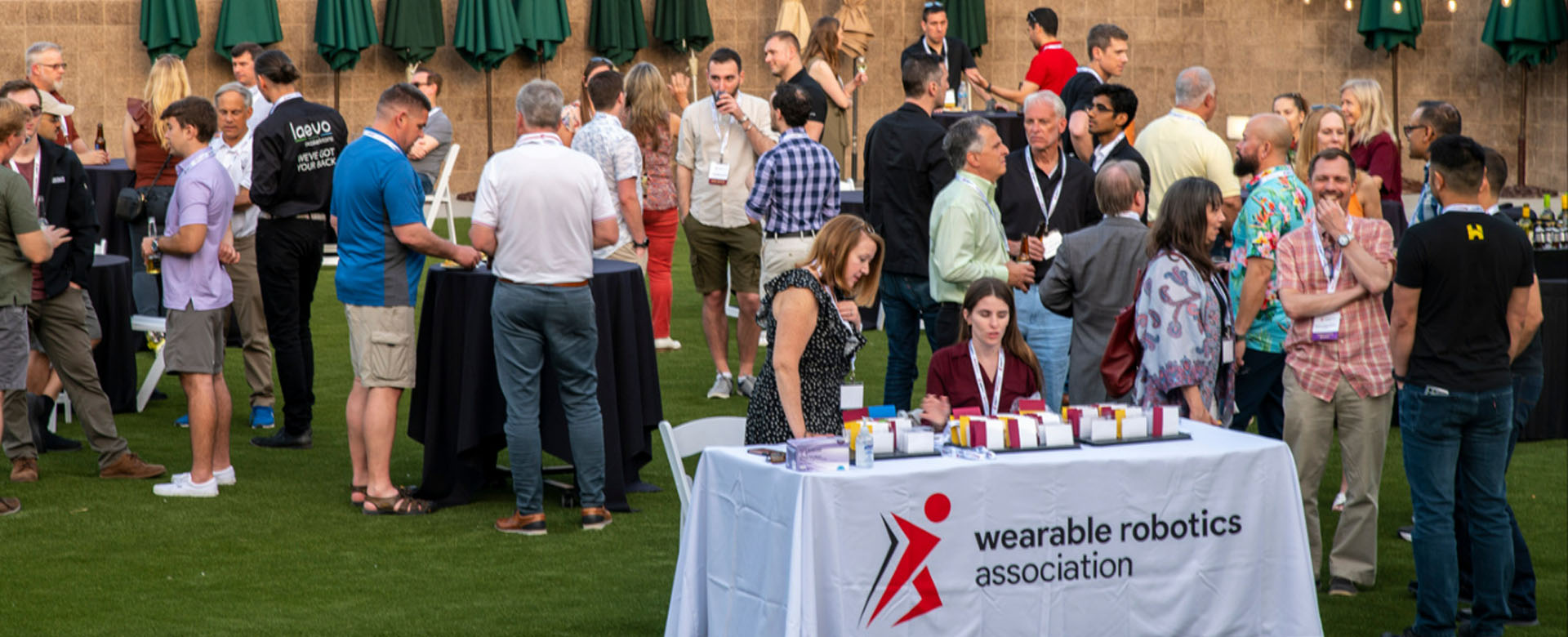
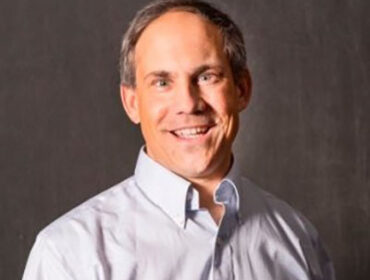
Dr. Sugar is a Professor in the School of Manufacturing Systems and Networks, part of the Ira. A. Fulton Schools of Engineering. He started the Human Machine Integration Laboratory in 1999. He is currently developing wearable leg exoskeletons that assist a person to walk and run. These systems seamlessly transition between walking and running. The lab projects have involved the development of advanced compliant actuator concepts, cutting-edge prosthetics for amputees and energy harvesting from a walking. Dr. Sugar received his PhD in Mechanical Engineering from the University of Pennsylvania.
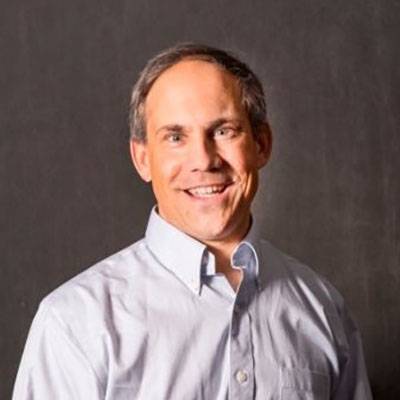
Dr. Sugar is a Professor in the School of Manufacturing Systems and Networks, part of the Ira. A. Fulton Schools of Engineering. He started the Human Machine Integration Laboratory in 1999. He is currently developing wearable leg exoskeletons that assist a person to walk and run. These systems seamlessly transition between walking and running. The lab projects have involved the development of advanced compliant actuator concepts, cutting-edge prosthetics for amputees and energy harvesting from a walking. Dr. Sugar received his PhD in Mechanical Engineering from the University of Pennsylvania.

Ergonomist & Technology Champion - Director at WearRA, Co-Founder of AExG. Ergonomics Technical Director at Liberty Mutual, with past experience at Toyota and Amazon Web Services. Marisol previously worked Amazon Web Services (AWS) as Global Ergonomics Manager in August 2021. Previously she worked for Toyota Motor North America Safety Group for almost 15 years. Most recently she managed the development and integration of safety-related technology and innovations across North American operations, which is a unique role that she started at Toyota. Before that she held the position of Regional Ergonomics Manager, where she managed a team of ergonomists to support Toyota’s 15 North American manufacturing facilities. Prior to Toyota, Marisol worked as an ergonomics consultant with Mitsui Sumitomo Insurance Group and Humantech, as well as a researcher with the National Institute for Occupational Safety & Health (NIOSH). She received her B.A. and M.S. from Cornell University in Ithaca, NY. She has been a Certified Professional Ergonomist since 2006. Marisol is involved in several external organizations. She is the co-founder and current Board member of the Automotive Exoskeleton Group (AExG), which is sponsored via the Wearable Robotics Association. She sits on the ASTM Exoskeleton Center of Excellence Research & Development Committee and is a member of F48, the first external standard on exoskeletons and exosuits. She is a regular speaker at various safety and technology conferences including Applied Ergonomics Conference, National Ergonomics Conference, and Enterprise Wearables Technology Summit. She is also a member of F48, the ASTM standards committee on exoskeletons and exosuits.

Ergonomist & Technology Champion - Director at WearRA, Co-Founder of AExG. Ergonomics Technical Director at Liberty Mutual, with past experience at Toyota and Amazon Web Services. Marisol previously worked Amazon Web Services (AWS) as Global Ergonomics Manager in August 2021. Previously she worked for Toyota Motor North America Safety Group for almost 15 years. Most recently she managed the development and integration of safety-related technology and innovations across North American operations, which is a unique role that she started at Toyota. Before that she held the position of Regional Ergonomics Manager, where she managed a team of ergonomists to support Toyota’s 15 North American manufacturing facilities. Prior to Toyota, Marisol worked as an ergonomics consultant with Mitsui Sumitomo Insurance Group and Humantech, as well as a researcher with the National Institute for Occupational Safety & Health (NIOSH). She received her B.A. and M.S. from Cornell University in Ithaca, NY. She has been a Certified Professional Ergonomist since 2006. Marisol is involved in several external organizations. She is the co-founder and current Board member of the Automotive Exoskeleton Group (AExG), which is sponsored via the Wearable Robotics Association. She sits on the ASTM Exoskeleton Center of Excellence Research & Development Committee and is a member of F48, the first external standard on exoskeletons and exosuits. She is a regular speaker at various safety and technology conferences including Applied Ergonomics Conference, National Ergonomics Conference, and Enterprise Wearables Technology Summit. She is also a member of F48, the ASTM standards committee on exoskeletons and exosuits.
Dr. Schneider is recognized internationally as an expert in exoskeleton and prosthetics and orthotics technologies and biomechatronic research in respect to protection and treatment of the human musculoskeletal system. He has served in a variety of leadership roles in prosthetics & orthotics, rehabilitation and exoskeleton research committees in Europe and US. He serves as Director of the Health Technology Division at Fraunhofer IPA in Stuttgart and manages the Biomechatronics Department. Dr. Schneider also serves as head of the Human Technology Interaction Department at IFF, University of Stuttgart and teaches biomechatronics at Stuttgart University. He is the initiator of WearRAcon Europe and the Exoworkathlon study format, working closely with the Wearable Robotics Association leadership.
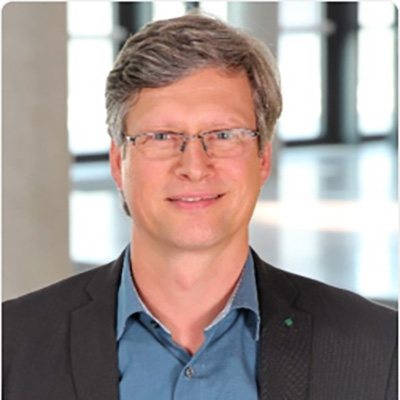
Dr. Schneider is recognized internationally as an expert in exoskeleton and prosthetics and orthotics technologies and biomechatronic research in respect to protection and treatment of the human musculoskeletal system. He has served in a variety of leadership roles in prosthetics & orthotics, rehabilitation and exoskeleton research committees in Europe and US. He serves as Director of the Health Technology Division at Fraunhofer IPA in Stuttgart and manages the Biomechatronics Department. Dr. Schneider also serves as head of the Human Technology Interaction Department at IFF, University of Stuttgart and teaches biomechatronics at Stuttgart University. He is the initiator of WearRAcon Europe and the Exoworkathlon study format, working closely with the Wearable Robotics Association leadership.
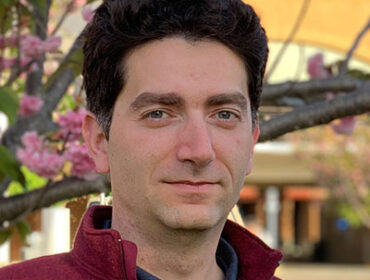
Impact involves getting results, influence is about spreading the passion you have for your work. Co-founder of the Exoskeleton Report (ExR) and a member at large of ASTM International Committee F48 on Exoskeletons and Exosuits. Eager to see exoskeleton use increase!
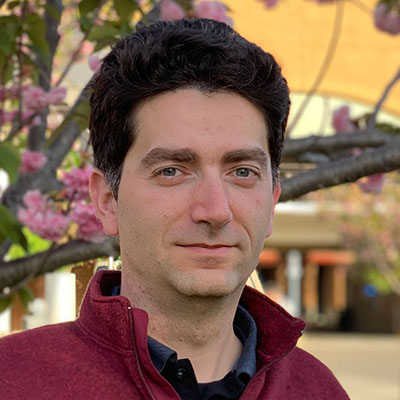
Impact involves getting results, influence is about spreading the passion you have for your work. Co-founder of the Exoskeleton Report (ExR) and a member at large of ASTM International Committee F48 on Exoskeletons and Exosuits. Eager to see exoskeleton use increase!

Consider joining WearRA if you are interested in accelerating exoskeleton technology across North America, Europe and beyond!

Consider joining WearRA if you are interested in accelerating exoskeleton technology across North America, Europe and beyond!
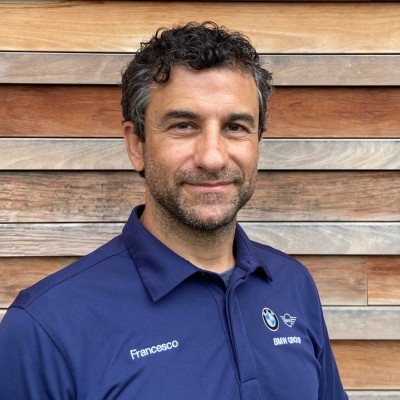
In my opinion, WearRA is the one stop shop and best industry facing organization where inspiration and collaboration happen between innovators, collaborators, industry leaders, suppliers, customers, academia, and government.
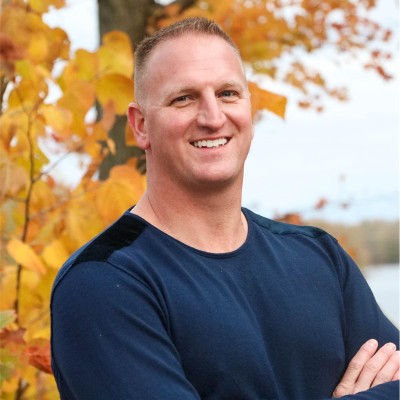
We truly appreciate the partnership we have with the WearRA organization. It is critical for us by connecting and sharing innovative technologies with global industry experts.
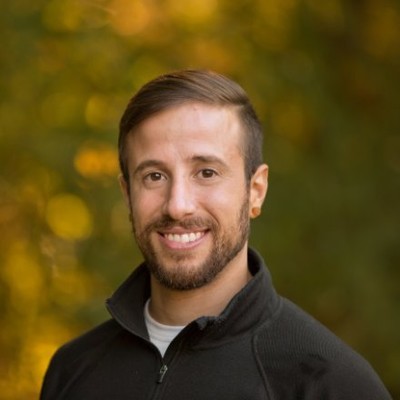
The WearRA conferences have been a great way for me to connect with exoskeleton producers, try new products, learn about new projects and research, and gather insights from real world exoskeleton users.
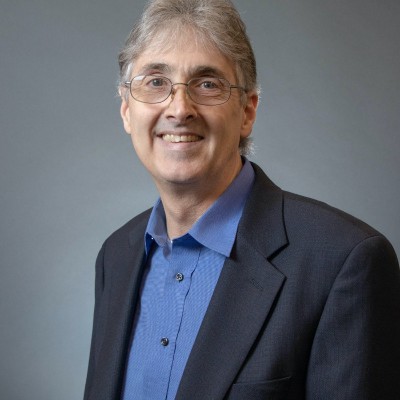
WearRA has always exceeded my expectations with the wide variety of vendors and speakers. Whether a person is new to exoskeletons or a novice, they can find what they need to address hard to solve ergonomic challenges, thereby improving productivity and safety.
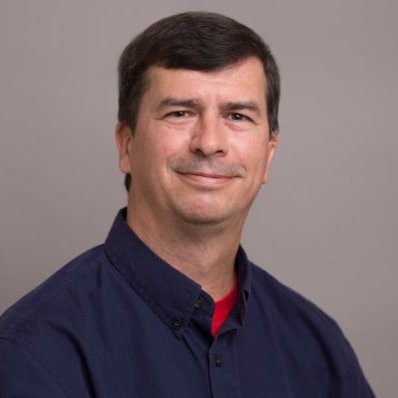
WearRA continues to be an excellent opportunity to interact and make connections with domestic and international experts from both industry and academia. It is an outstanding forum to share our research findings and receive feedback from exoskeleton developers, users, and researchers.